
Shop green
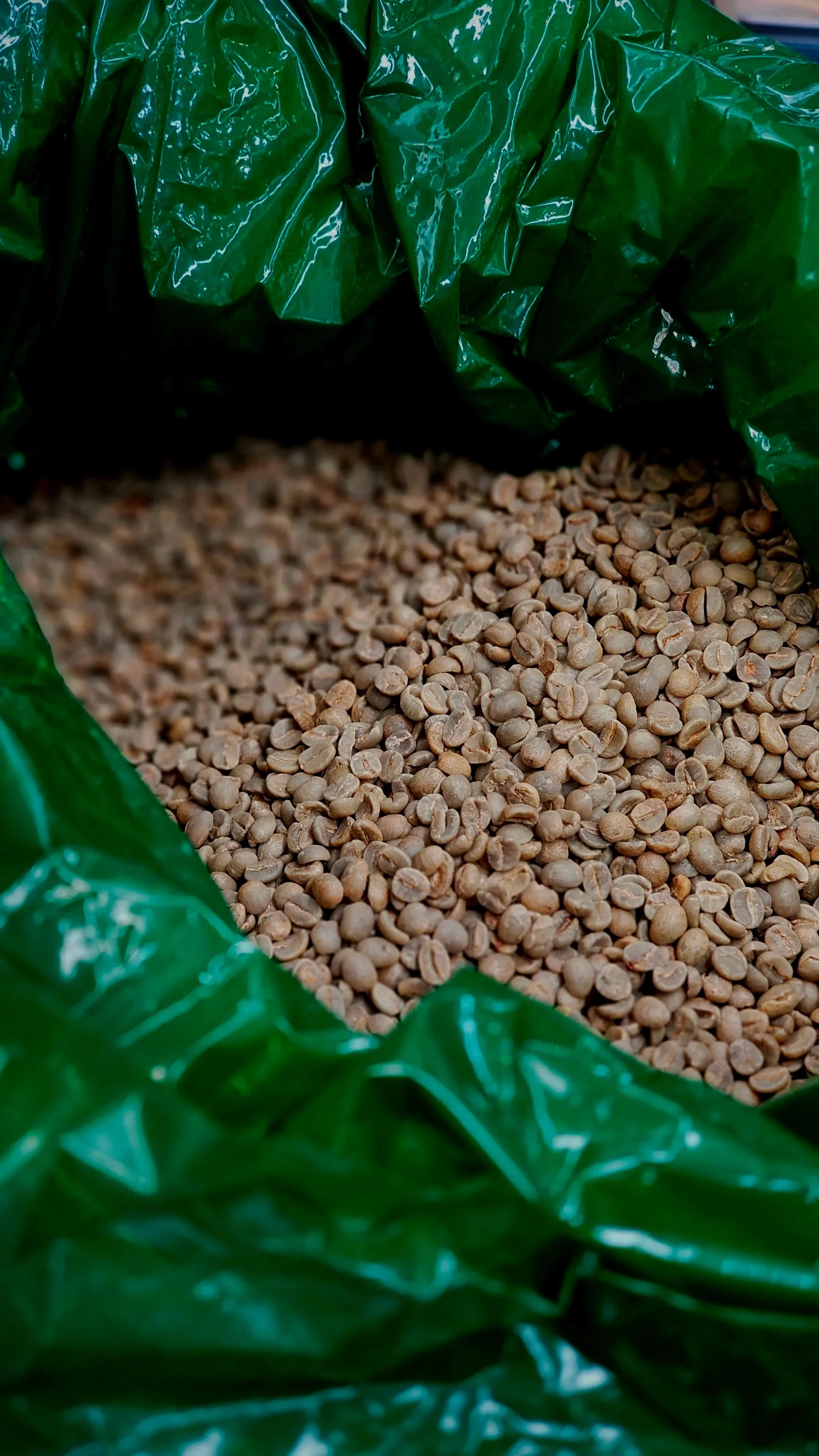
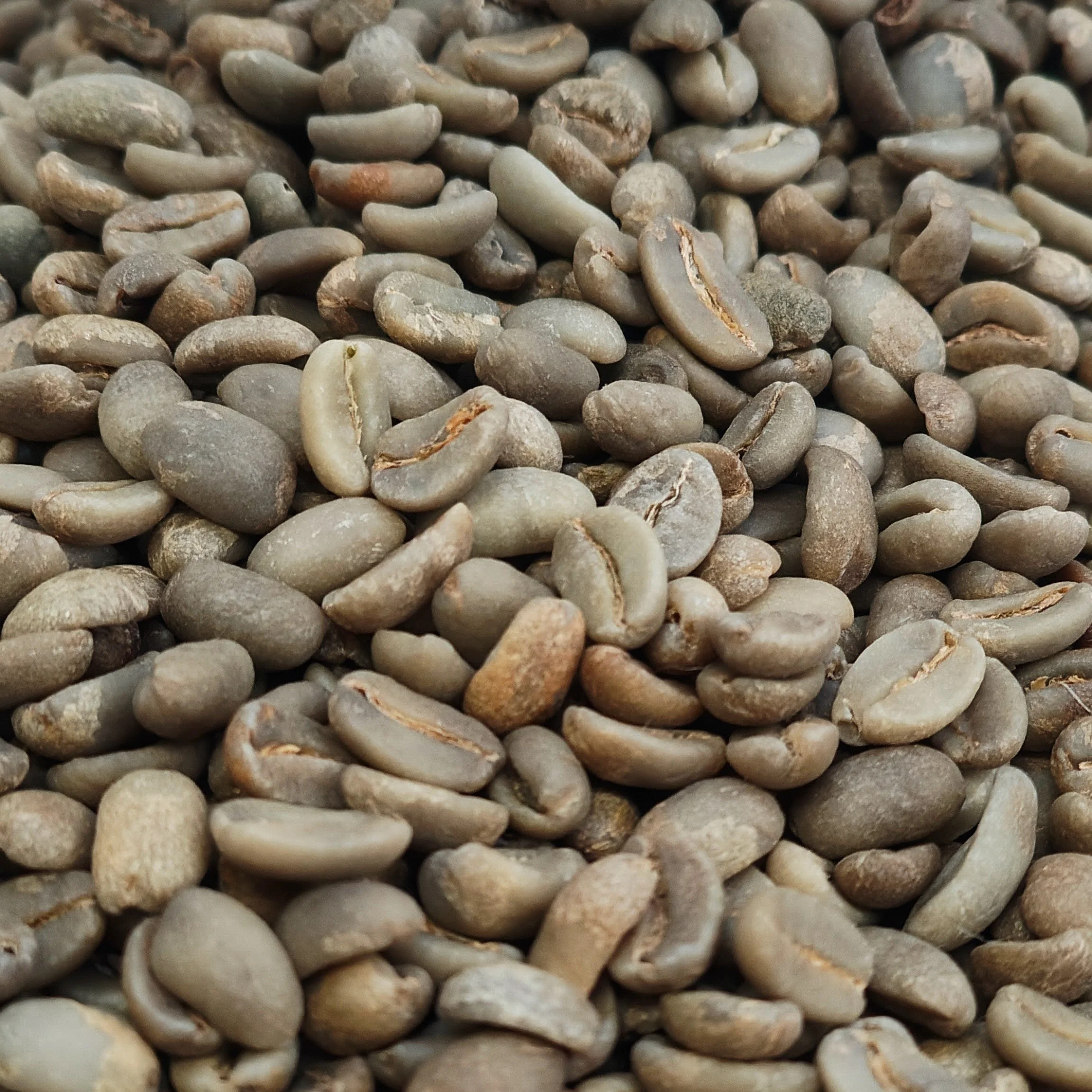
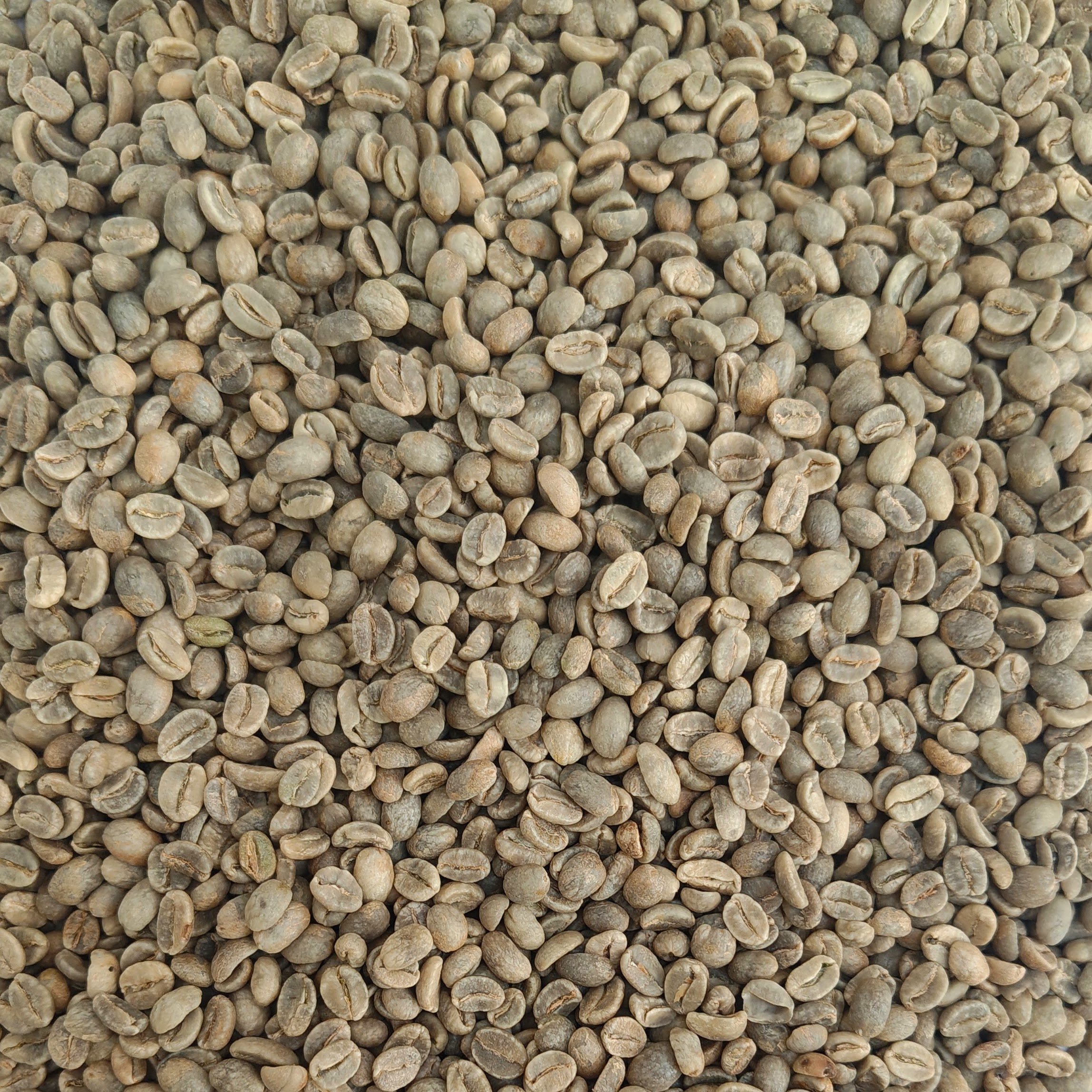
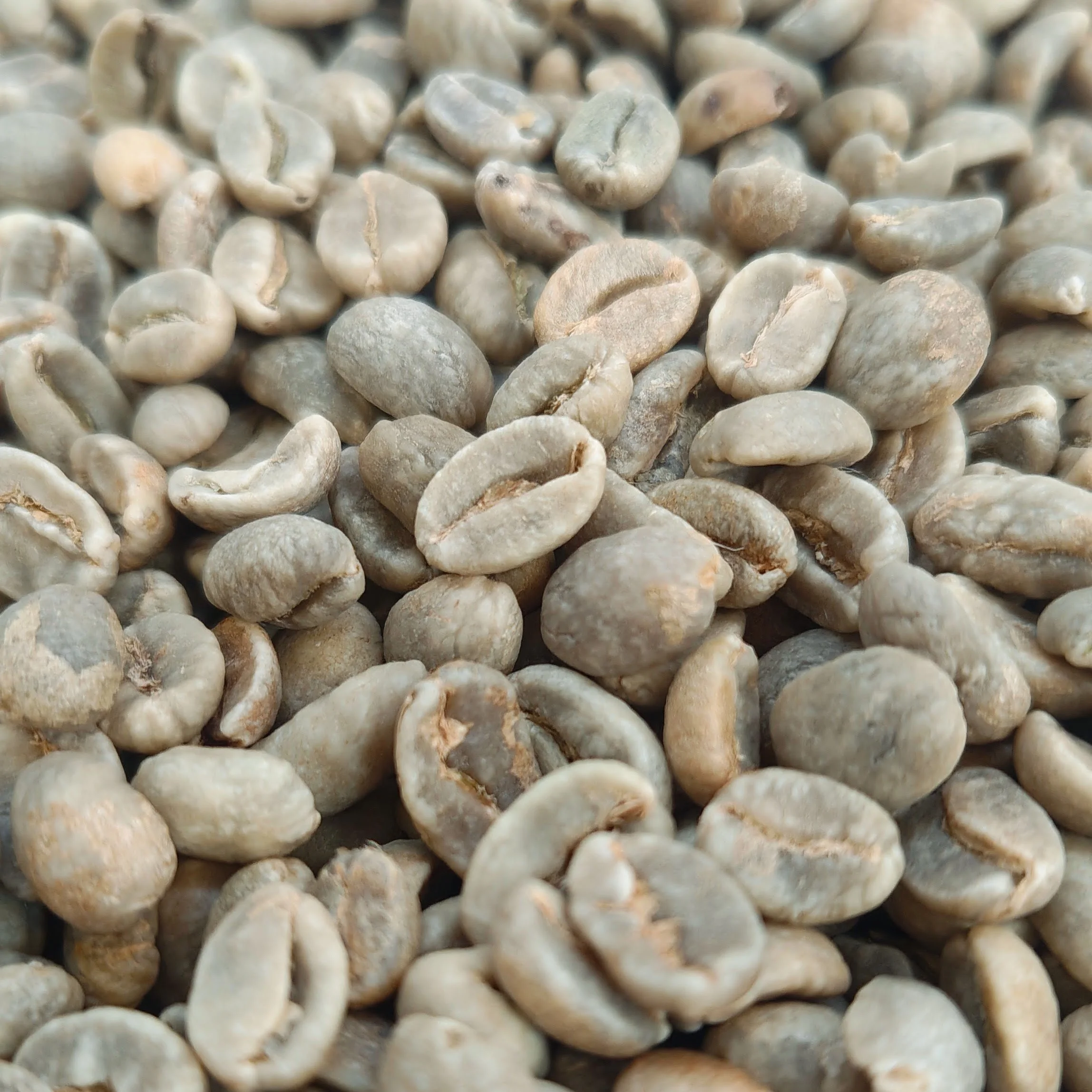
Unroasted green coffee beans, sold by the kilo for roasting at home. Every lot is cupped before we buy it and comes with roasting notes from our head roaster. Single 1kg bags, no minimum order.
Questions about green?
Not sure which coffee suits your roaster, or how much to order? Ask us. We’ll give you a straight answer.
Common questions
-
Around 820-850g, depending on how far you take the roast. Coffee loses water and mass in the roaster, roughly 15-18%.
-
Cool, dry and dark, in the bag it came in or an airtight container. Keep it off concrete floors, which draw moisture, and away from anything strongly scented, because green coffee absorbs odours readily. Do not refrigerate or freeze it.
Green coffee is far more stable than roasted. Stored properly it holds up for months rather than days.
-
A quality score out of 100, given by trained cuppers using the Specialty Coffee Association's protocol. It grades aroma, flavour, acidity, body, balance and defects.
Anything at 80 or above is classed as specialty. Most of what you drink daily sits in the low 80s. Above 85 you are into genuinely distinctive coffees, and above 87 the volumes get small and the price reflects that.
Every coffee we stock is 82 or higher. The scores are on each listing.
-
It comes down to what happens to the fruit around the seed.
Washed. The skin and pulp are removed within hours of picking, and the sticky layer underneath is fermented off and rinsed away. The seed dries bare, so nothing from the fruit carries into the cup. The result is cleaner and brighter, with more defined acidity and lighter body.
Natural. The whole cherry dries intact with the fruit still on, over several weeks. The seed takes on flavour from the fruit around it. Heavier body, more sweetness, more fruit character, softer acidity.
For roasting at home, the practical difference is that naturals colour faster and less evenly because of the residual sugars, and they are less forgiving if you rush the finish. Washed coffees behave more predictably.
-
Most green coffee is graded rather than sold by farm. The grade tells you about screen size and defect count, not about a specific grower.
Screen size grades like AA refer to how large the beans are, sorted by passing them over perforated screens. Larger is not automatically better, but it does mean consistency, and consistent bean size roasts more evenly. Other grades like Excelso or B Grade are country-specific export classifications covering a defined screen size range and defect count.
Coffees graded this way are regional lots, blended from many small farms within one growing area. That is normal, and it is what most specialty coffee is. It also makes them consistent, well priced and reliable, which is why they work as everyday coffees and blend components.
Some coffees are more specific. A single farm coffee is traceable to one named property. A microlot is a small batch kept separate through picking, processing and milling because its quality justified the extra handling, usually with a score to back it up. Microlots come in small volumes and are priced accordingly.
Our range moves across all of these. Each listing tells you which you are buying.
-
A decaffeination process that uses only water, temperature and carbon filtration. No chemical solvents at any stage. Caffeine is drawn out of the green beans into water, which is then passed through carbon filters that trap the caffeine molecules and leave the flavour compounds behind.
Decaf greens behave differently in the roaster. They start out darker, colour faster, and give you less visual warning before first crack. Expect to pull it earlier than you would the same coffee with caffeine in it.
-
Coffee grown higher up matures more slowly, which produces a denser bean with more developed sugars and more complexity.
For roasting, density is the practical part. Denser high-altitude beans need more heat to get moving and can take a longer development, while lower-grown coffee scorches more easily. The altitude figure on each listing tells you roughly what to expect before you load the drum.
-
The botanical variety of the coffee plant, in the same way grapes have varieties. Bourbon, Typica, Caturra and Catuai are the common ones you'll see on our listings.
Varietal influences flavour, but processing, altitude and roast all have more effect on the final cup. Treat it as useful context rather than a deciding factor.
-
No, 1kg is our smallest bag and we sell green in whole kilos only. There's no minimum number of bags, so a single 1kg order is fine.
-
Do I need a proper roaster to get started?
No. People roast green coffee successfully in dedicated home roasters. What matters is being able to control heat and see or hear what the beans are doing.
The harder part is knowing what you are looking for. If you would rather learn on commercial equipment before buying anything, we run Sample roasting 101 classes in the roastery. It's 90 minutes, small groups, and you take home what you roast.
-
Yes, and it is the fastest way to get better.
Sample roasting 101 is 90 minutes and a good introduction. You roast on our sample roaster, taste the results, and leave with your own coffee.
Roasting foundations goes further. Four and a half hours on the commercial roaster covering green selection, heat application, roast development and how to read a curve, with lunch included. It's built for people intending to roast seriously, whether at home or commercially.
If you want time on the machine without a course, our roastery hire sessions are bookable directly, with a safety induction on your first visit.